
Dieting Without the Grind: How to Track Macros and Still Enjoy Your Favorite Foods
Are you tired of traditional diets that make you feel like you have to give up all the foods you love just to see progress? You’re not alone. Many people give up on their fitness journey because they feel trapped in an endless cycle of deprivation. But what if I told you that you don’t have to choose between eating pizza and building muscle? By learning how to track macros, you can enjoy the foods you love while making real progress toward your fitness goals.

In this post, we’ll break down what dieting really means, explain why macros are the key to success, and show you how to track them effectively using the Main Character Fitness app. Plus, we’ll dive into why protein is so important for muscle gain and how you can create a flexible diet that works for you without sacrificing your favorite foods. Let’s get started!
What Dieting Really Is: Caloric Restriction Explained
When most people think about dieting, they think about eating less, cutting out favorite foods, and feeling constantly hungry. While caloric restriction is a part of the equation, dieting doesn’t have to be a grind. At its core, dieting is about managing the energy you consume versus the energy you burn. This balance determines whether you lose, maintain, or gain weight.
In simple terms:
Caloric Deficit: When you consume fewer calories than your body burns, you’ll lose weight.
Caloric Maintenance: When you eat the same number of calories that you burn, your weight stays the same.
Caloric Surplus: If you eat more calories than you burn, you’ll gain weight.
The trick to building muscle while controlling fat gain is to balance your calories without depriving yourself. For those trying to build lean muscle, the goal is often to consume a slight surplus of calories (but not too much) to fuel muscle growth while minimizing fat gain. However, simply counting calories isn’t enough to guarantee you’re building muscle effectively. That’s where macros come in.

What Are Macros and Why Are They Important?
You’ve probably heard the term “macros” thrown around in fitness circles, but what exactly are they? Macros, short for macronutrients, are the three main nutrients that your body needs in large amounts: protein, fat, and carbohydrates. Each macronutrient plays a different role in your body, and understanding how to manage them is the key to achieving your fitness goals.
The Three Macros:
Protein:
Protein is the building block of muscle. Every time you work out, your muscles go through small tears, and protein helps repair and grow those muscles stronger. If you’re looking to gain muscle, protein is the most important macronutrient in your diet.
Why it’s critical: Studies show that individuals trying to gain muscle should aim to consume 0.8 to 1.0 grams of protein per pound of body weight daily. This helps repair muscle fibers and promotes muscle growth.
Fat:
Fat is the most calorie-dense macronutrient, containing 9 calories per gram, compared to just 4 calories per gram for protein and carbs. While fat often gets a bad reputation, it’s vital for hormone regulation, brain function, and overall energy.
Why it’s important: Consuming enough fat is necessary for health, but because it’s so calorie-dense, it’s easy to overconsume, especially in processed foods.
Carbohydrates:
Carbohydrates are your body’s preferred energy source. They fuel your workouts, help you recover, and are vital for brain function. Not all carbs are created equal though—complex carbs like whole grains and vegetables provide sustained energy, while simple carbs from sugary foods give you quick bursts of energy but little nutritional value.
Why they matter: Carbs play a crucial role in both performance and recovery, particularly for anyone doing intense workouts or weightlifting. Ensuring the right carb balance keeps your energy high during workouts.
By tracking your macros, rather than just counting calories, you ensure that you’re eating the right balance of nutrients to support muscle gain, fat loss, and overall performance. Each person’s ideal macro balance is different, depending on their body composition and goals. This brings us to the next point: how to track them effectively.

How to Track Macros Using the Main Character Fitness App
Tracking macros might sound intimidating, but with the right tools, it’s straightforward. The Main Character Fitness platform makes it easy to log and monitor your food intake while keeping you on track toward your goals. Here’s how you can do it step by step.
Step 1: Log Your Meals
The first step to tracking your macros is recording what you eat. The app simplifies this by allowing you to search for foods in its extensive database or scan barcodes for accurate macro information. You can break down meals into individual ingredients or log pre-made meals, and the app will calculate the macronutrient content for you.
Step 2: View Your Macro Breakdown
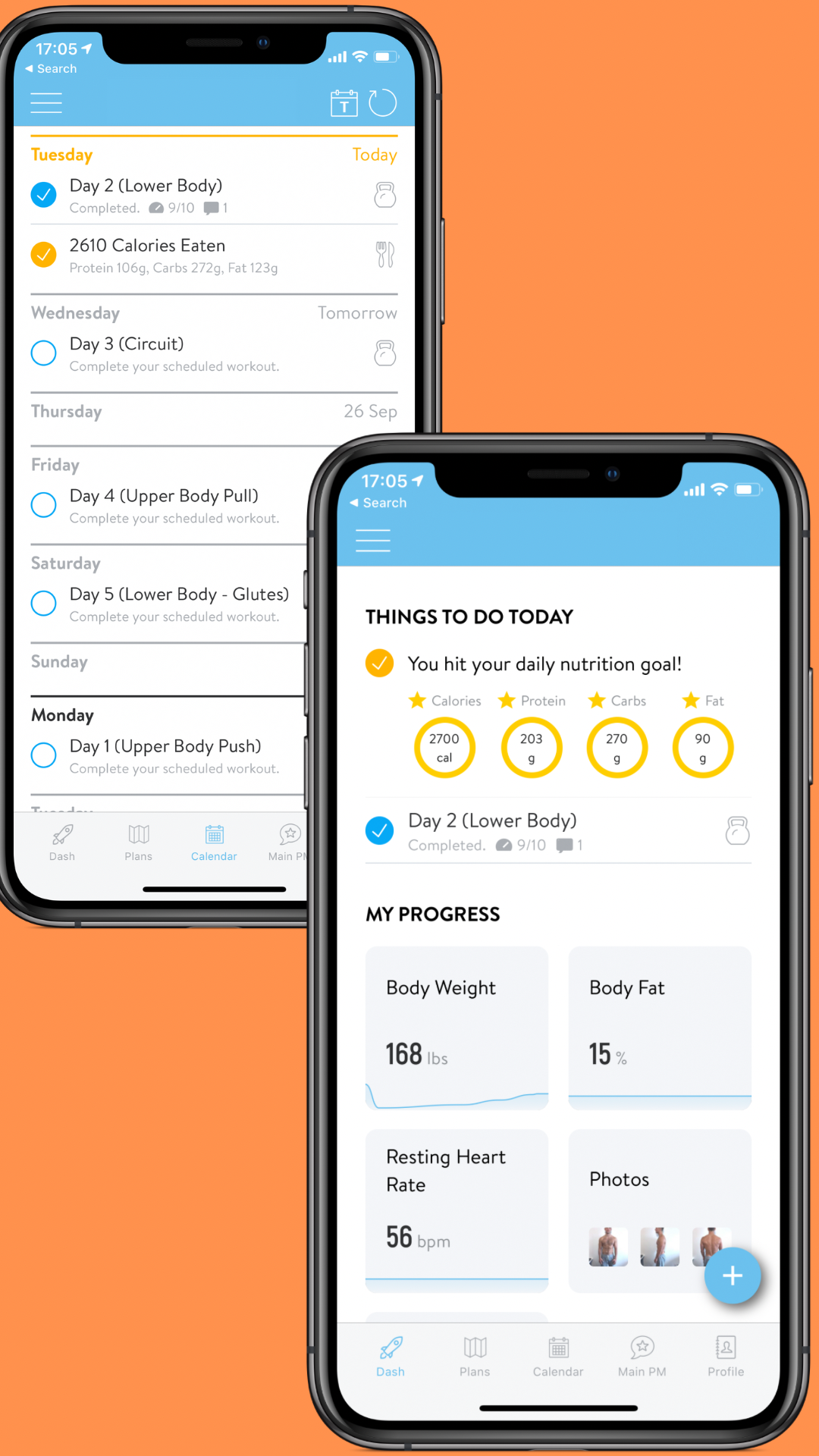
After logging your meals, the app provides an easy-to-understand breakdown of how much protein, fat, and carbs you’ve consumed throughout the day. This breakdown helps you see if you’re hitting your daily targets or if you need to adjust your intake for the rest of the day.
Step 3: Track Your Progress
The app also tracks your daily and weekly progress against your macro goals. If you’re consistently missing your protein targets, for example, the app will notify you, helping you adjust before it becomes a problem. You’ll also be able to track your muscle gain, fat loss, and overall body composition over time, ensuring that your diet is supporting your goals.
Step 4: Adjust Your Plan as Needed
Tracking macros is an evolving process. As you progress, your dietary needs may change. For example, as you build more muscle, you may need to increase your protein intake to support further growth. The Main Character Fitness platform allows for easy adjustments to your macro goals, keeping you on track no matter where you are in your fitness journey.
Why Macros Matter More Than Calories (and Why Protein is King)
So, why are we putting so much emphasis on macros, particularly protein? Let’s dive into the science behind it.
Why Protein is Essential
When you lift weights or engage in resistance training, your muscles undergo small tears. To repair and grow stronger, your body needs protein. Without enough protein, your body can’t repair muscle tissue effectively, which can stall muscle growth or even lead to muscle loss. This is why protein is often considered the most important macronutrient for people looking to gain muscle.
Fat: The Most Calorie-Dense Macro
Fat has more than double the calories per gram compared to protein and carbs. This makes it easy to overeat fat without realizing it, especially in high-fat processed foods. While fat is essential for health, keeping your fat intake in check ensures you don’t consume excess calories that lead to fat gain. The goal is to strike a balance—enough fat for hormone production and brain health but not so much that it causes unnecessary fat gain.
Carbs for Energy
Carbs are your body’s main energy source, particularly for physical activities. Cutting carbs too low can result in low energy, poor workout performance, and difficulty recovering from workouts. However, the focus should be on consuming complex carbohydrates like whole grains, vegetables, and legumes that provide sustained energy without the blood sugar spikes that come with simple carbs.
At Main Character Fitness, we craft personalized macro targets based on each client’s body composition, activity level, and fitness goals. This tailored approach ensures that you’re getting the right nutrients to build muscle while keeping your diet sustainable and enjoyable.
Why You Don’t Have to Cut Out Everything You Love
Here’s the truth: You don’t need to completely cut out pizza, burgers, or ice cream to build muscle and lose fat. Flexible dieting is all about balance. By tracking your macros, you can fit your favorite foods into your diet without sabotaging your progress.
How Does This Work?
If you know your daily macro goals, you can adjust your food choices to fit within those limits. For example, if you want to have pizza for dinner, you can adjust your lunch and snacks to be lower in fat or carbs, allowing you to indulge in your favorite meal without going over your daily macro targets.
The key is moderation. You can enjoy the foods you love in the right portion sizes, making the whole process feel less like a diet and more like a sustainable lifestyle change. As long as you hit your protein targets and keep your fat and carb intake balanced, you’ll continue to make progress while enjoying life.
Ready to Get Started?
If you're ready to stop feeling restricted by traditional diets and start building the body you've always wanted while enjoying the foods you love, then now’s the perfect time to take the next step. Tracking macros with the Main Character Fitness approach makes fitness sustainable, enjoyable, and tailored to you.
Let’s make sure we’re a great fit for your fitness journey. I’d love to get to know you and your goals better. Book a free 15-minute consultation, and we’ll discuss how we can create a personalized plan that fits seamlessly into your lifestyle.
During the consultation, we’ll talk about:
Your fitness goals and challenges
How macro tracking and flexible dieting can help you reach those goals
What makes Main Character Fitness the ideal fit for your unique needs
Schedule your free 15-minute consultation today—no strings attached, just a casual chat to see if we're the right match. From there, if it feels like a good fit, we’ll dive deeper into crafting a plan just for you.
Click here to schedule your consultation and take the first step toward becoming the main character of your fitness journey!
